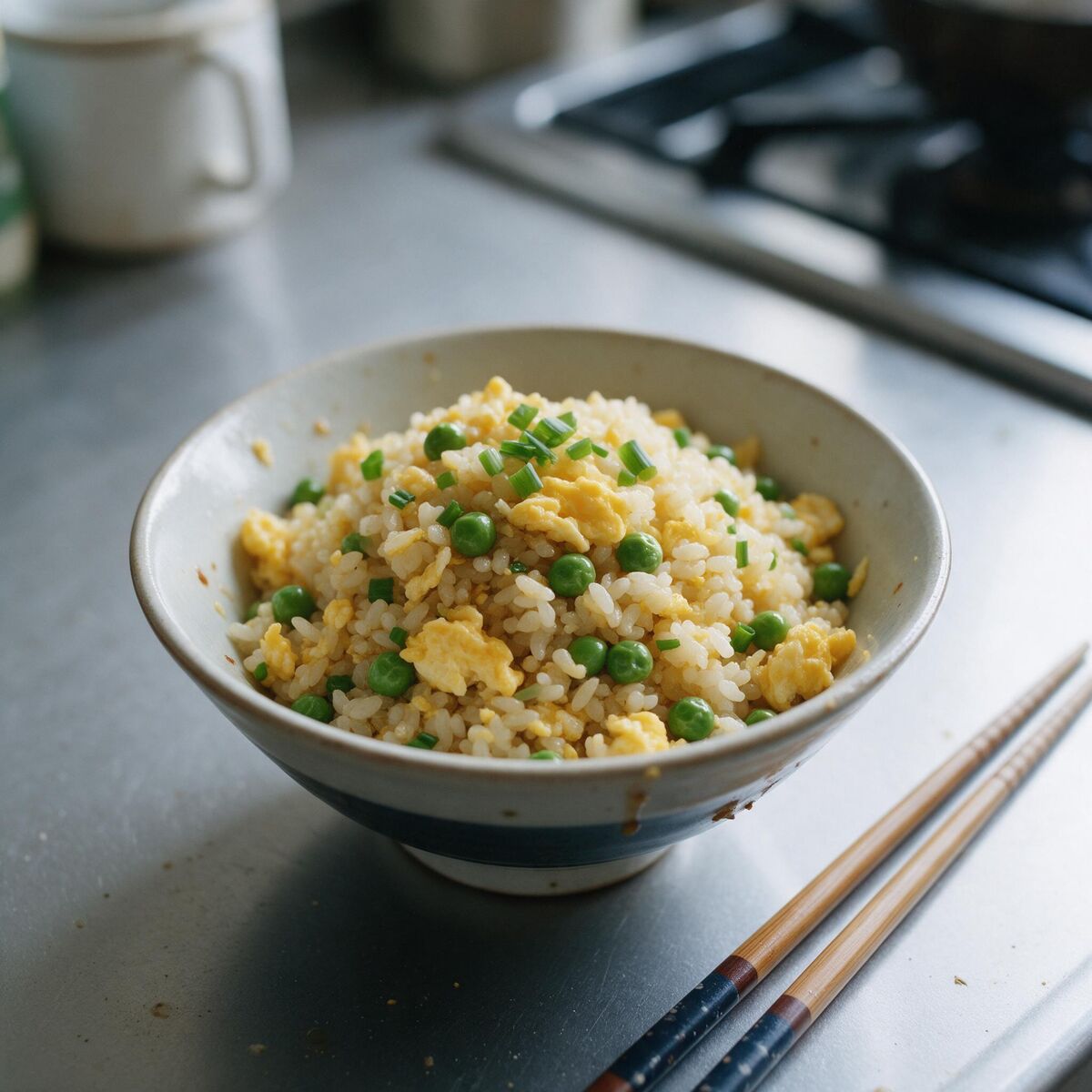
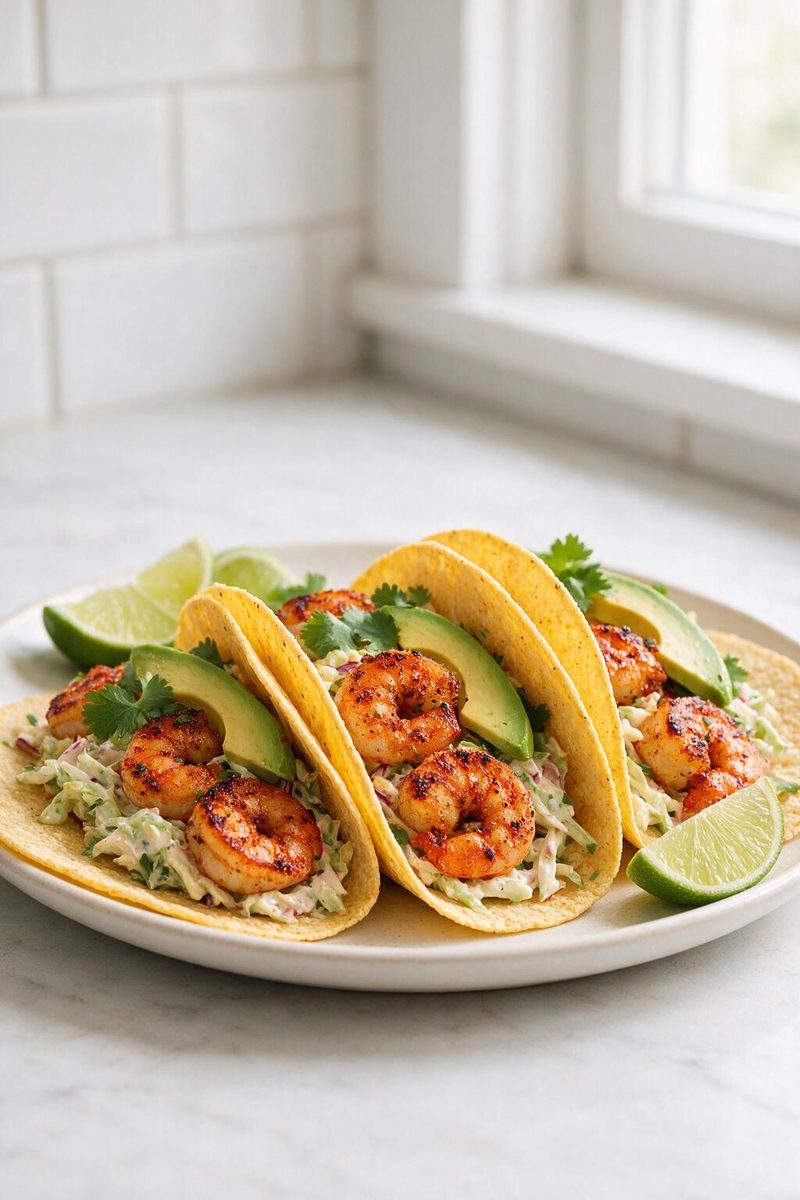
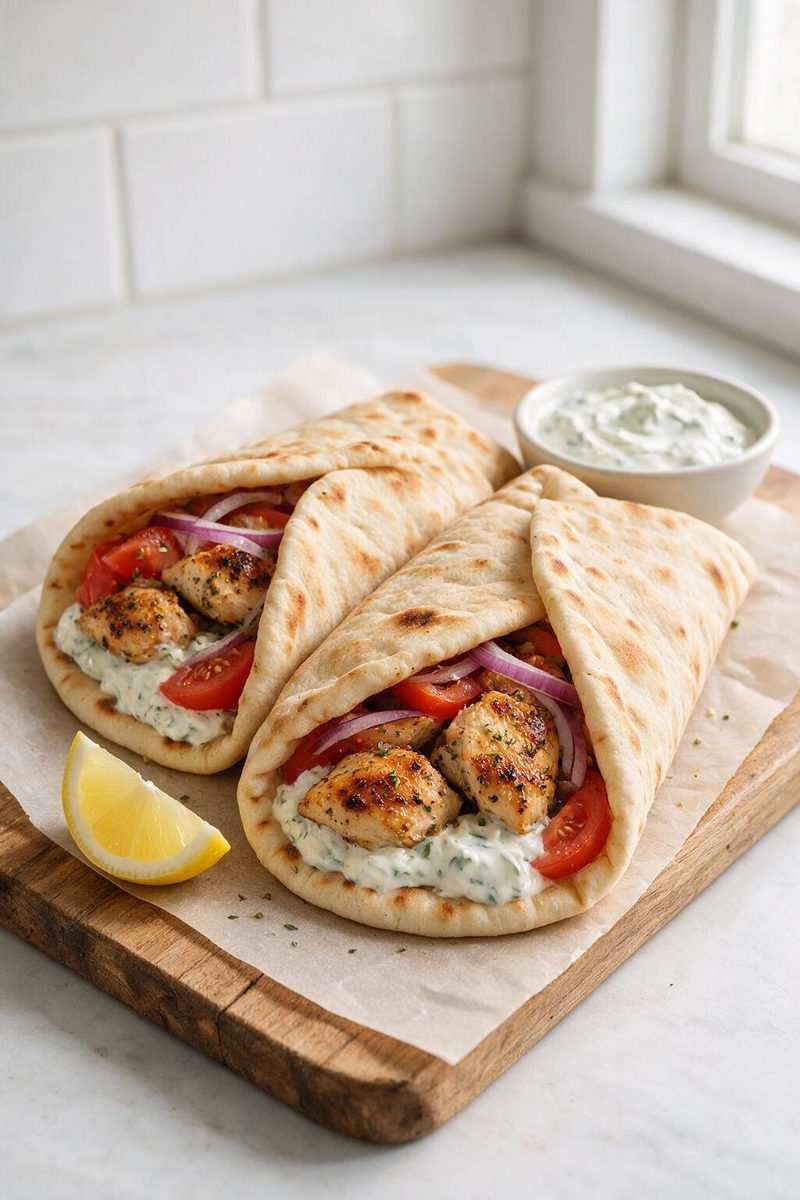
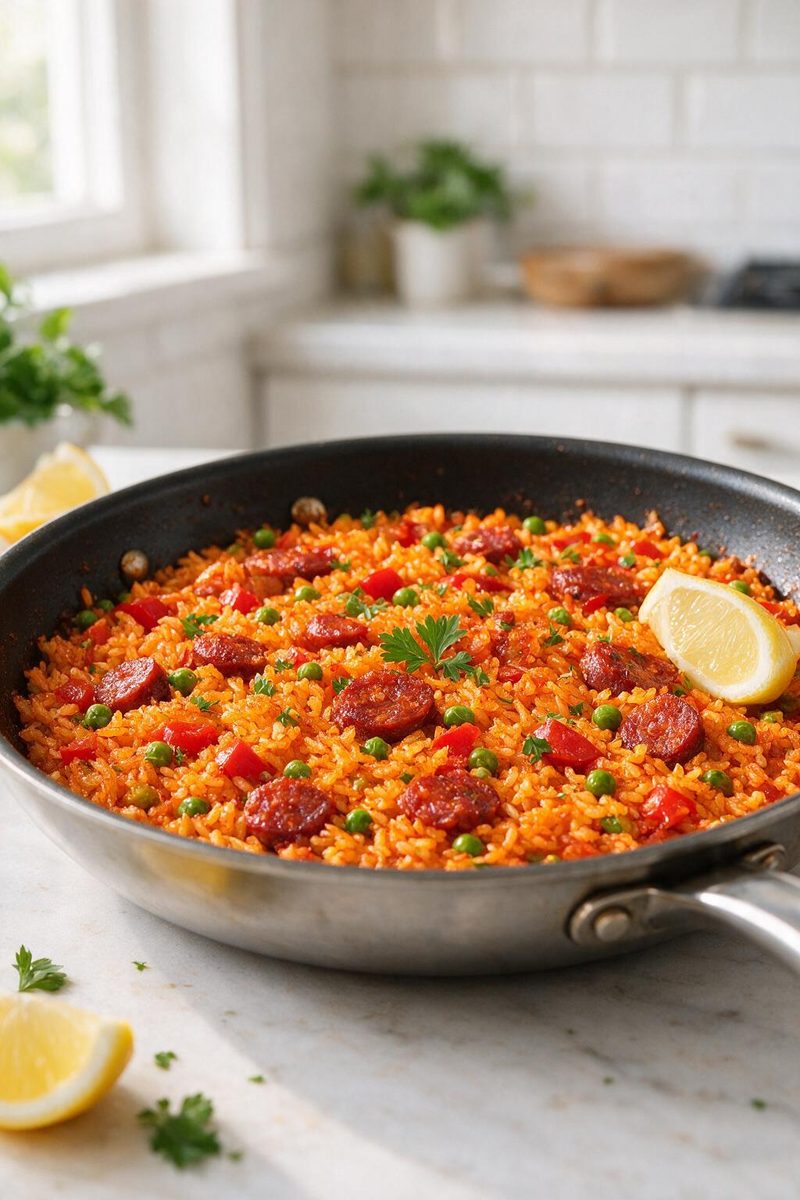
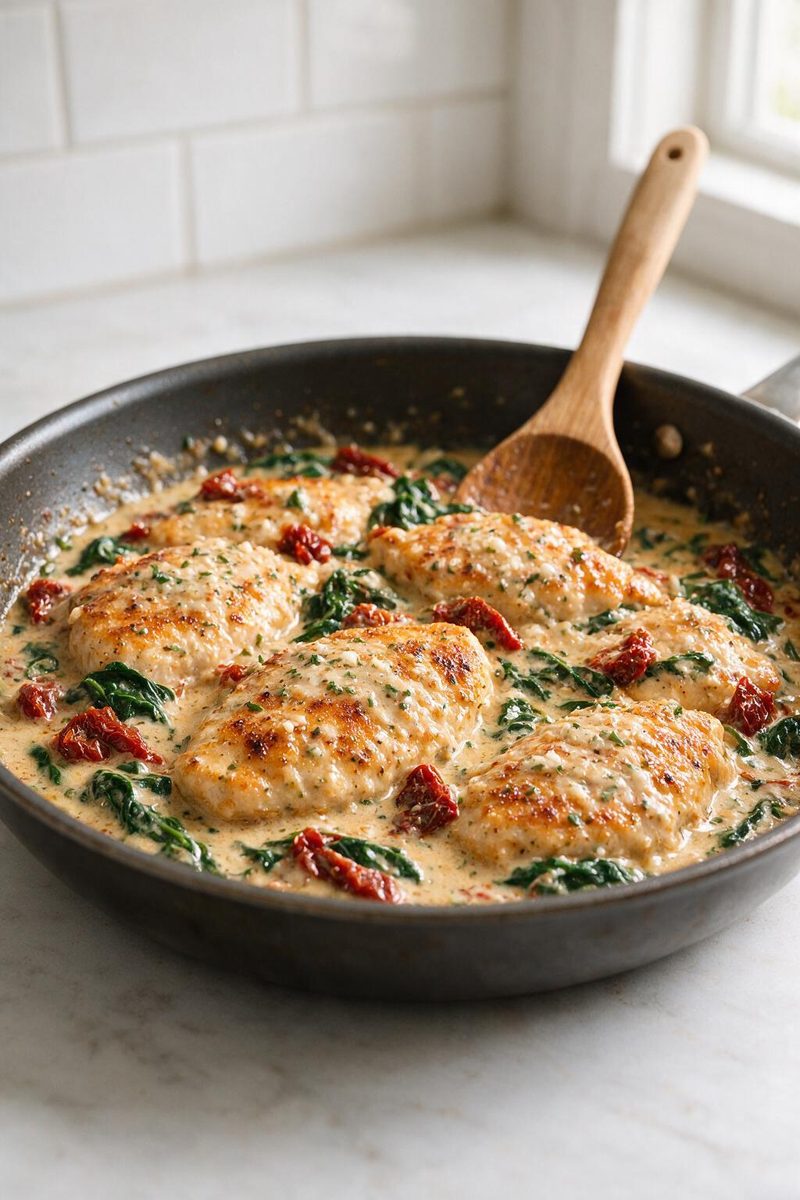
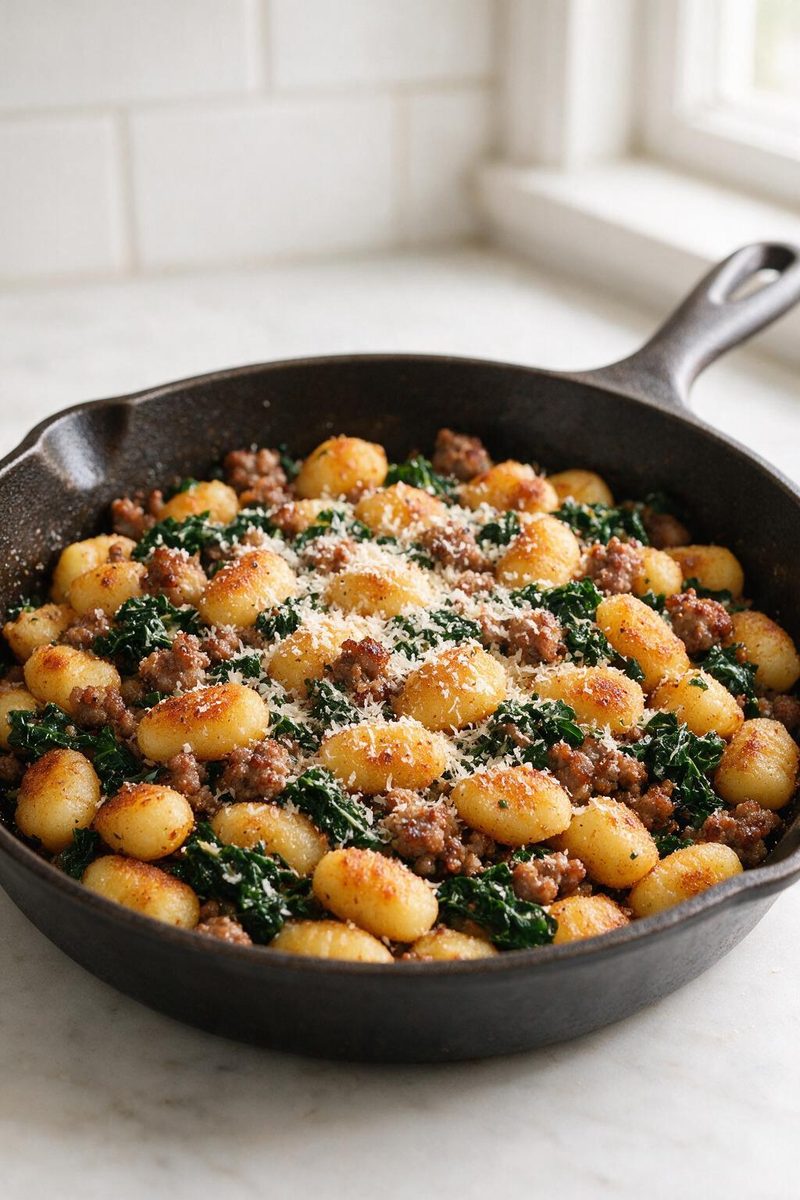
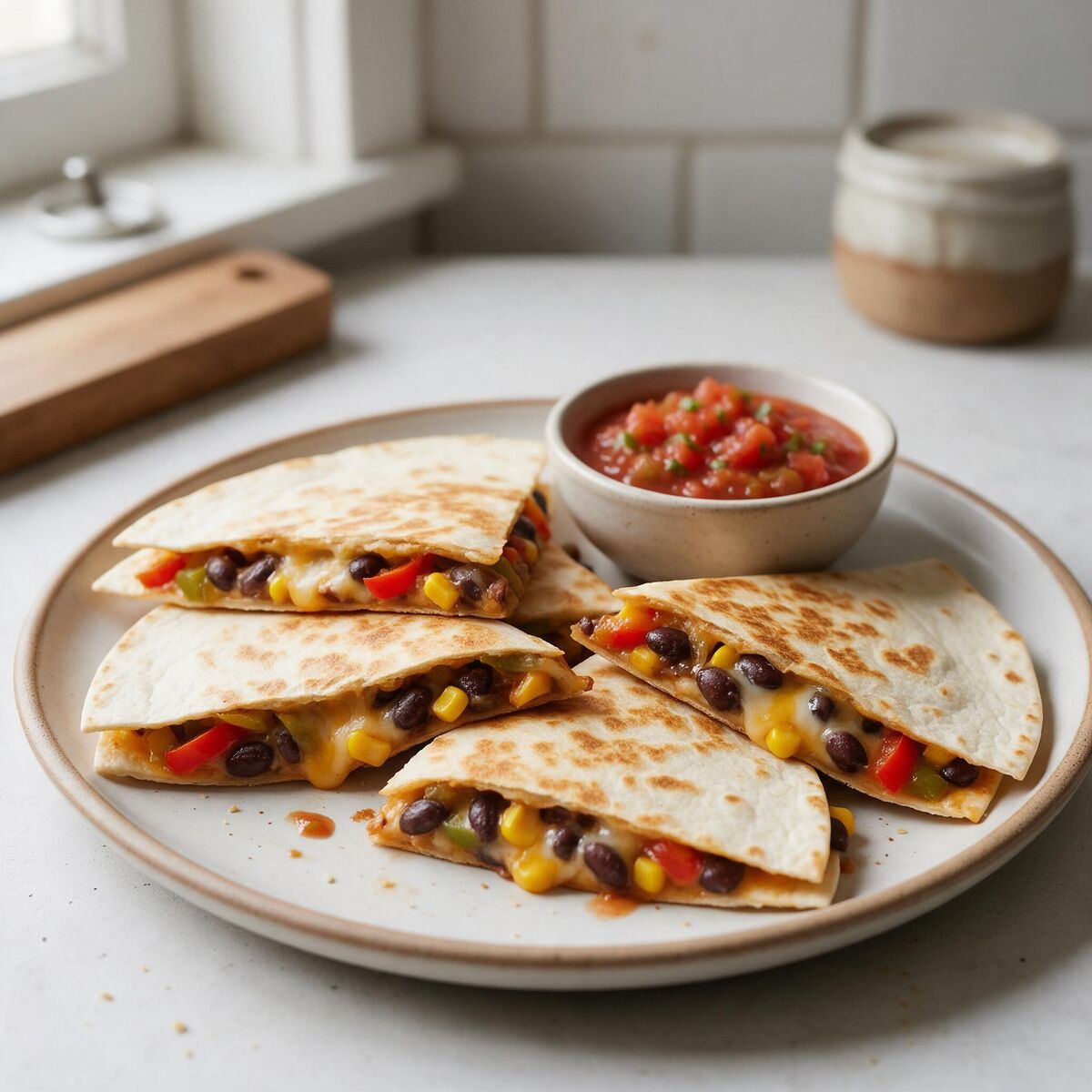
The real cost of a weeknight dinner often isn’t the cooking; it’s the pile of pans waiting afterward. Every recipe in this collection is cooked in a single skillet or pot, with maybe a bowl for mixing a sauce. That means less washing up, fewer things to juggle on the stove, and more of the flavor staying in the pan where it belongs. All of them are ready in 20 minutes or less.
Why one pan tastes better
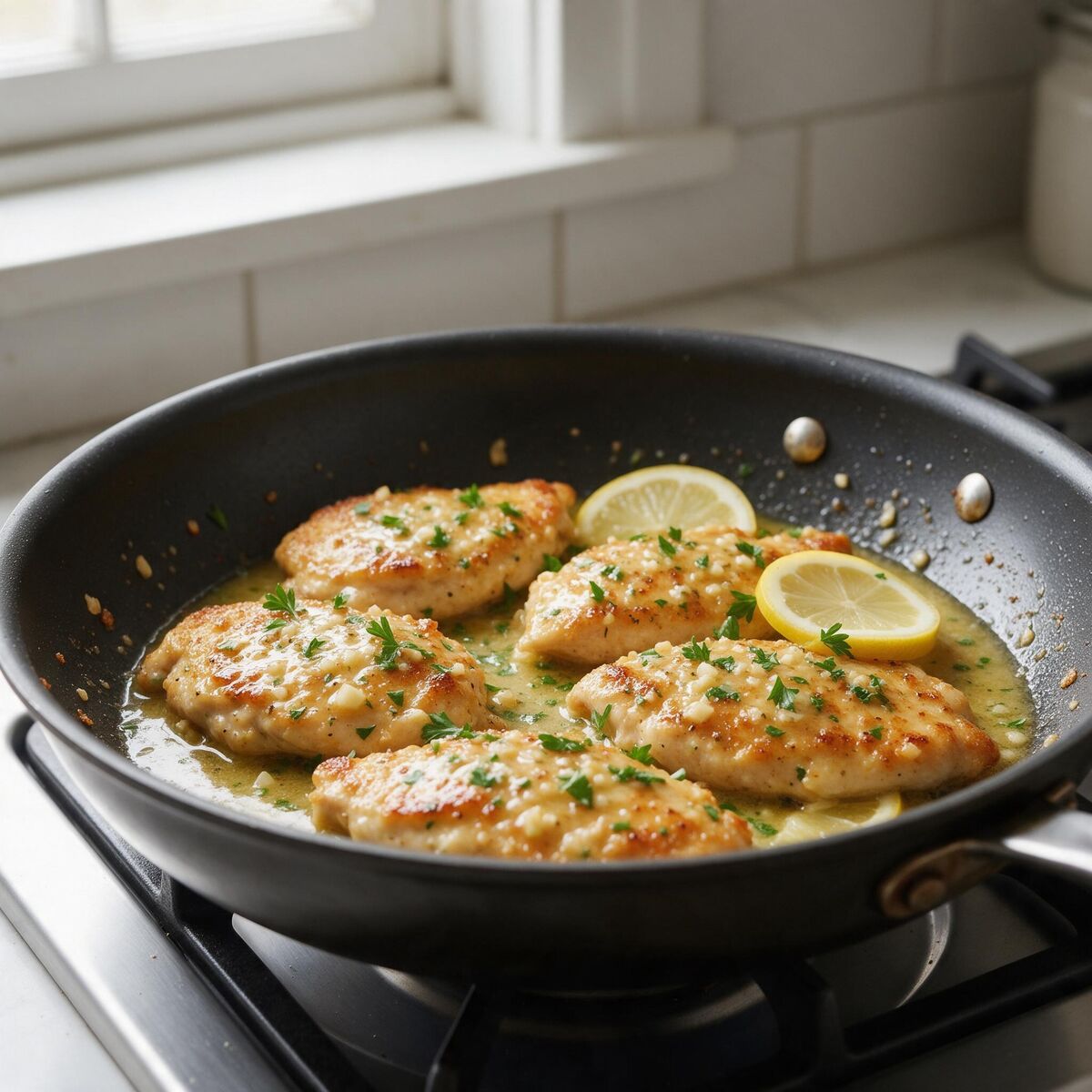
Cooking everything in the same pan isn’t only convenient. When meat or vegetables brown, they leave caramelized bits stuck to the bottom of the skillet, sometimes called fond. Adding broth, lemon juice, or sauce afterward lifts those bits into the sauce and gives it a depth that’s hard to achieve any other way. The lemon chicken skillet and creamy Tuscan chicken both rely on this technique.
The order of operations
Most one-pan dinners follow the same pattern:
- Sear the protein first over high heat to brown it, then remove it to a plate if it would overcook.
- Cook the vegetables in the flavorful fat left behind.
- Add aromatics such as garlic and ginger briefly, so they don’t burn.
- Build the sauce with liquid, scraping up the browned bits.
- Return the protein to warm through and coat in sauce.
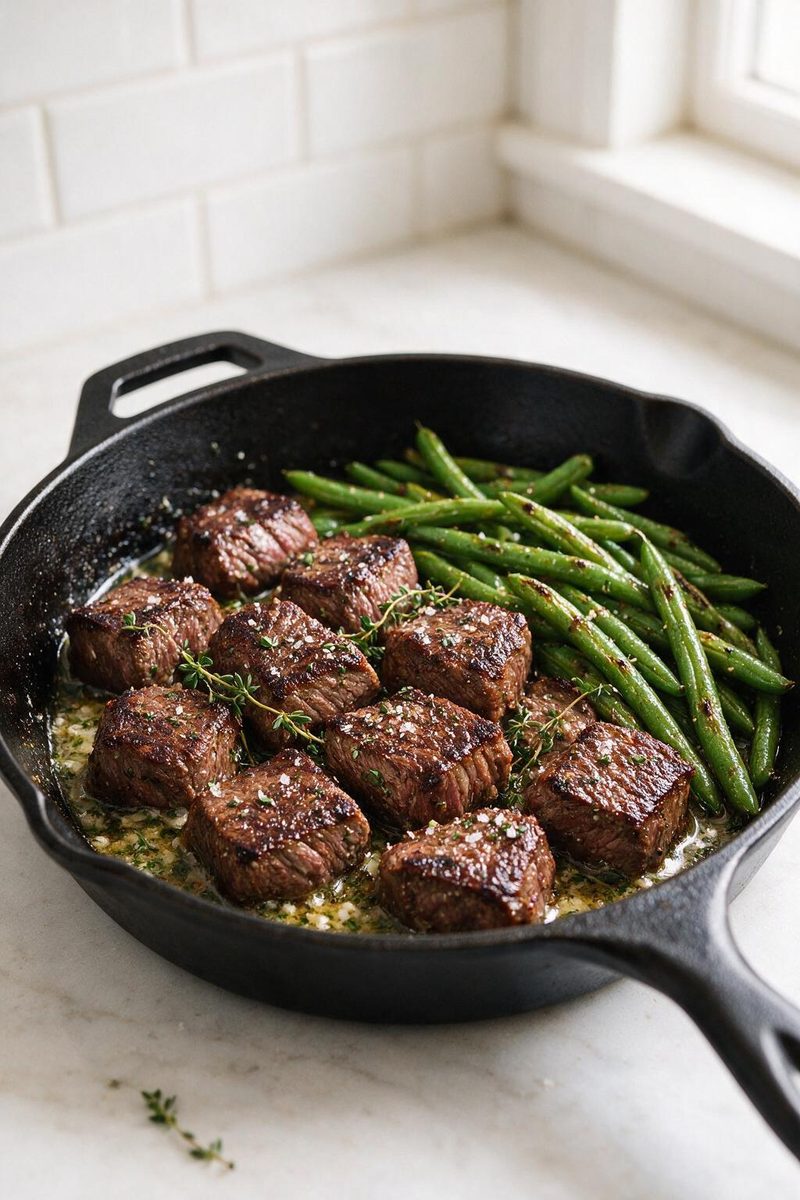
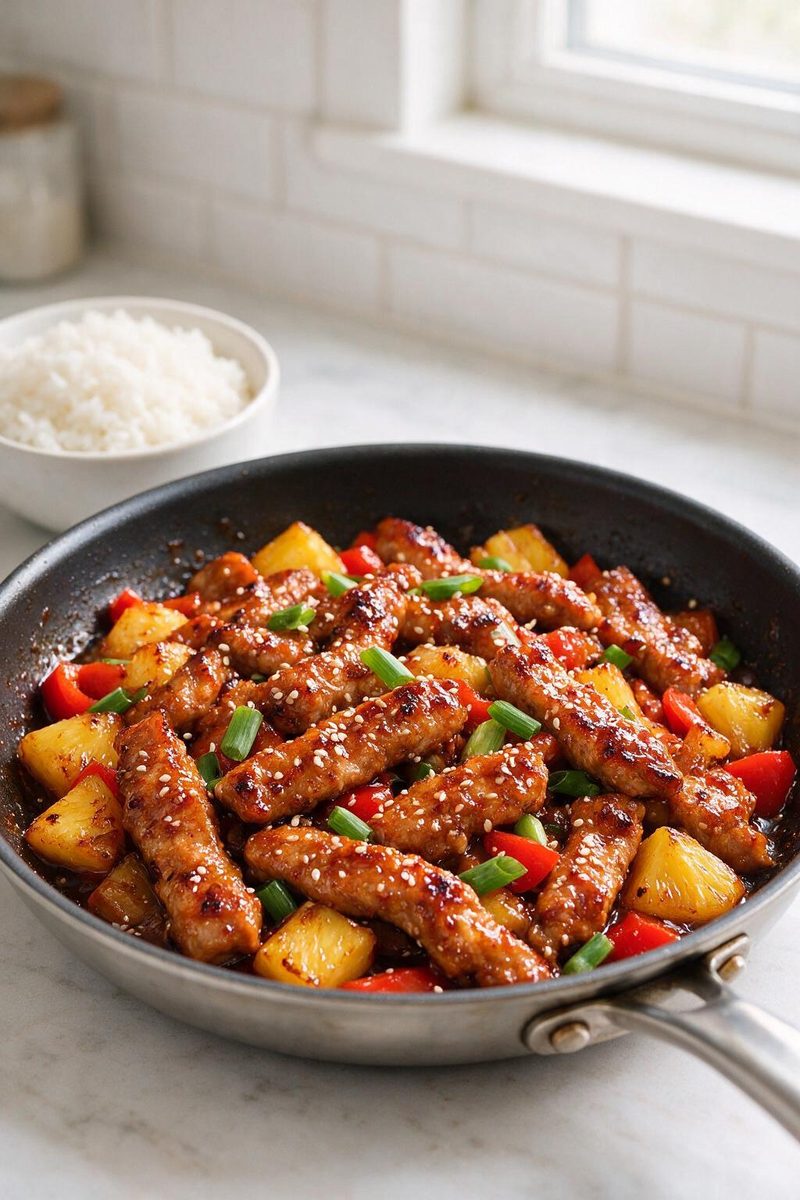
The garlic butter steak bites cook green beans first, then sear steak, then finish everything in garlic butter. The sweet chili pork and pineapple skillet sears pork, caramelizes pineapple and pepper in the same pan, then glazes everything together.
Choosing the right pan
A large skillet, 12 inches if possible, is the most useful tool for one-pan cooking. A wide surface lets ingredients brown rather than steam.
- Stainless steel builds the best fond for pan sauces.
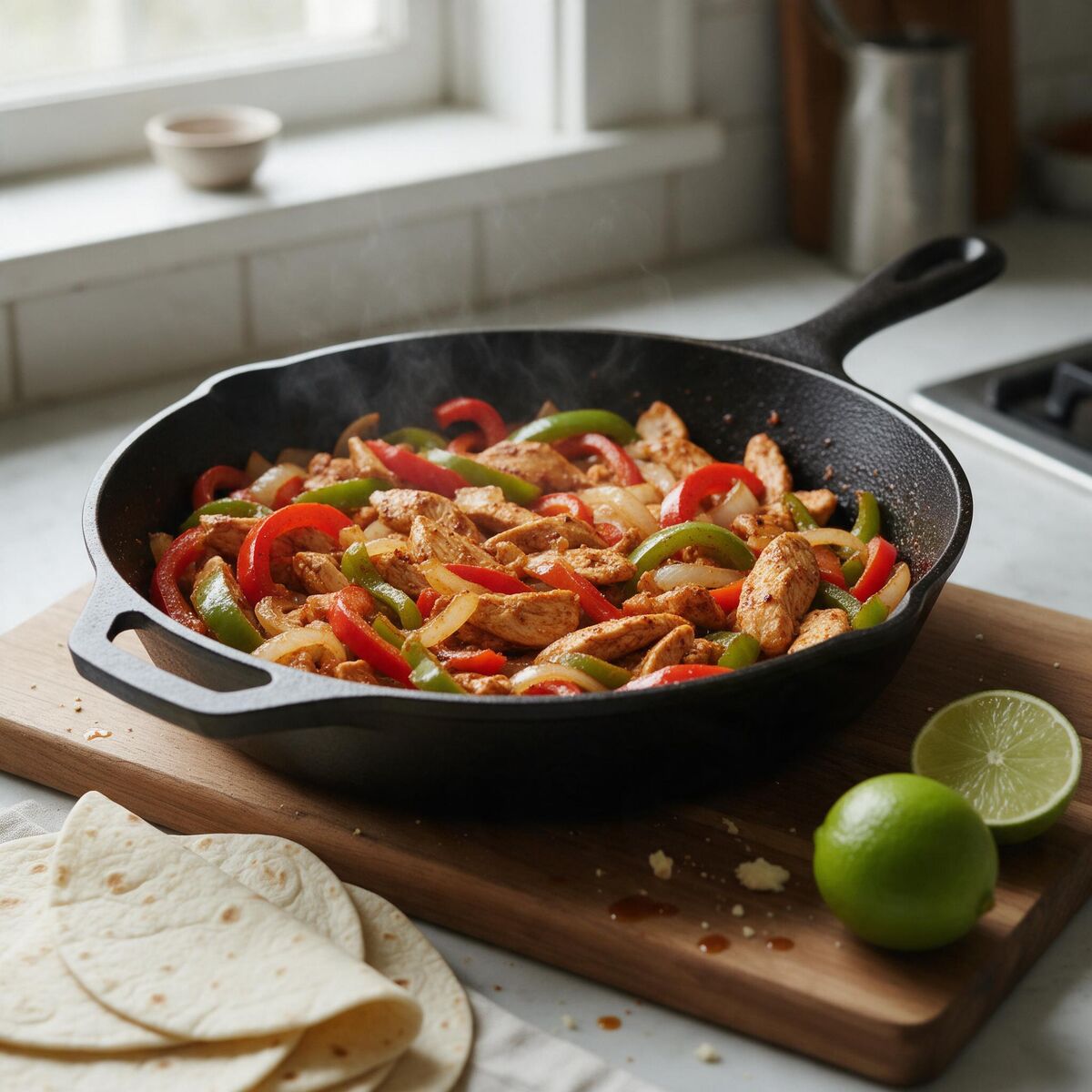
- Cast iron holds heat well and gives an excellent sear, ideal for steak and crispy gnocchi.
- Nonstick suits delicate fish, eggs, and tofu.
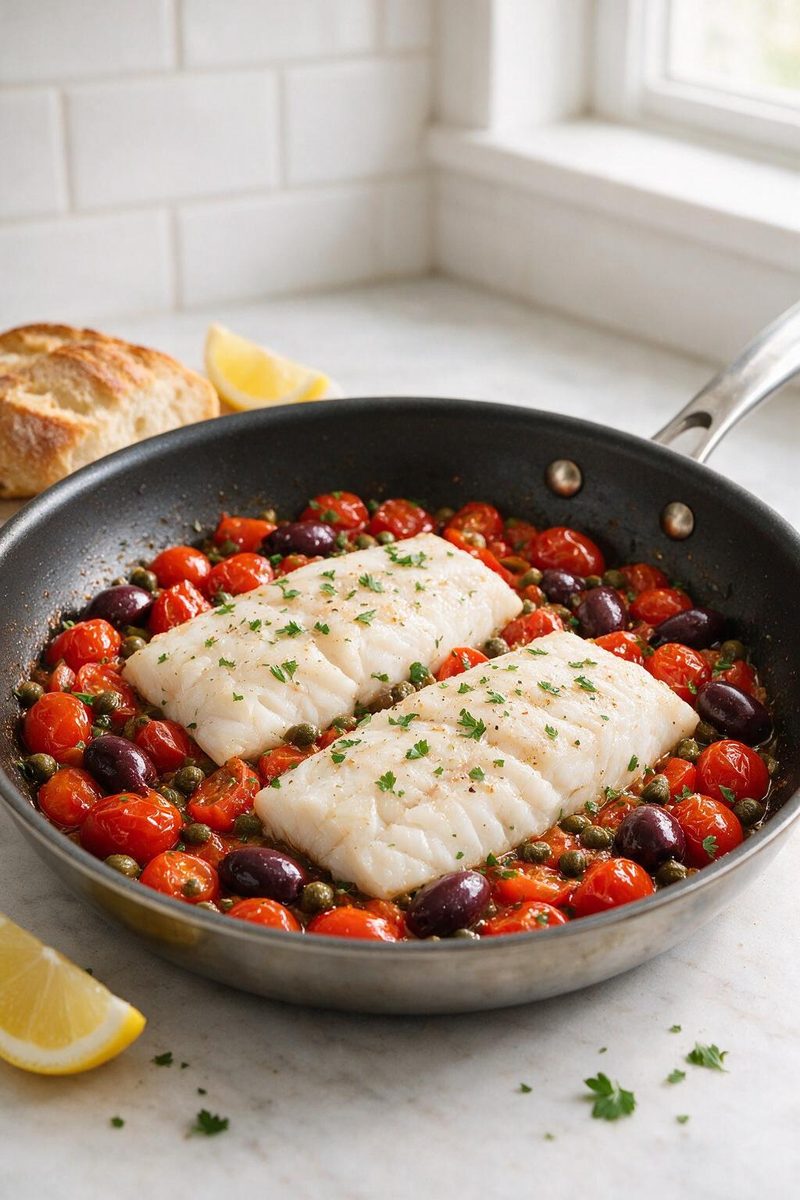
A lid, even one borrowed from another pan, is useful for steaming vegetables or gently cooking fish, as in the Mediterranean cod.
A range of flavors
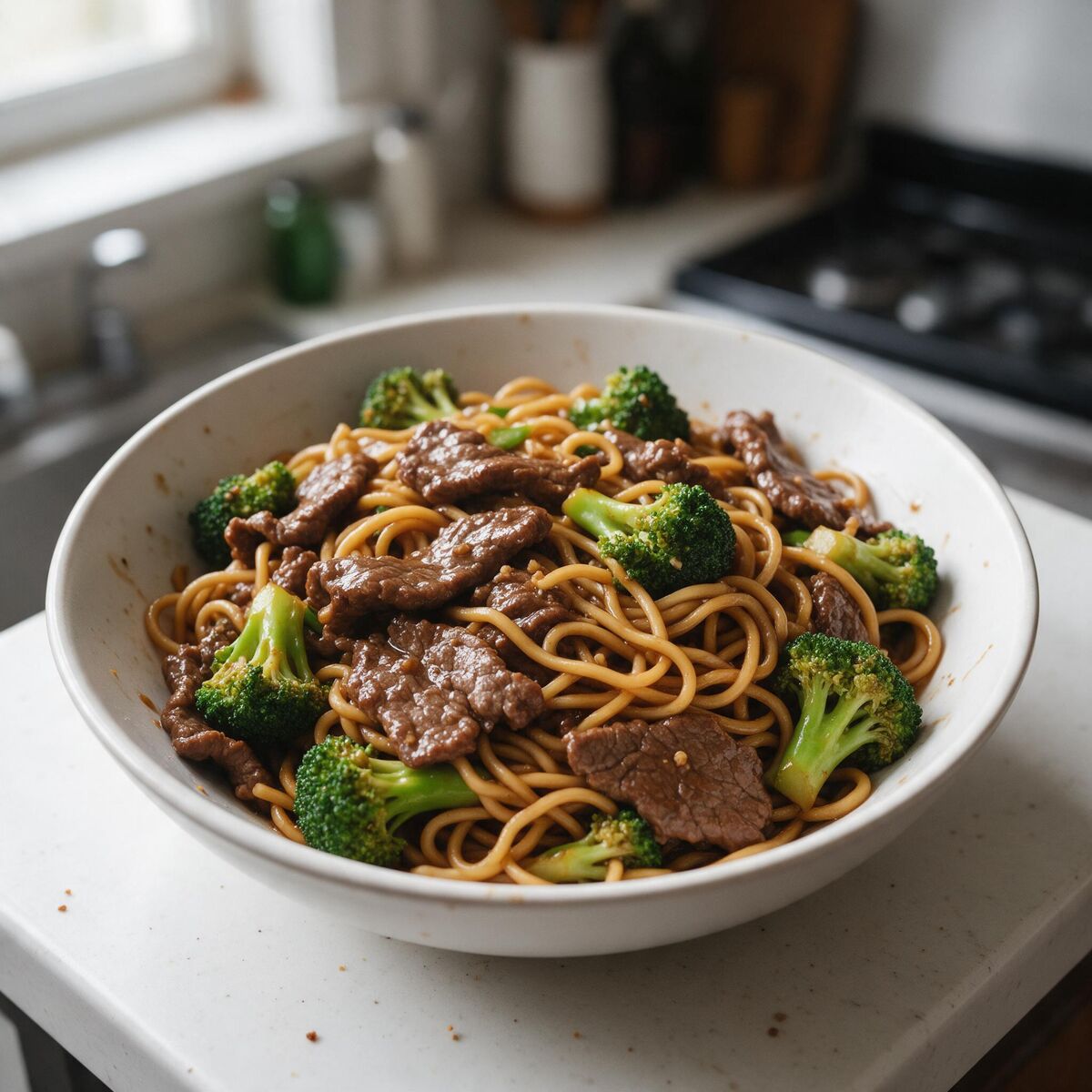
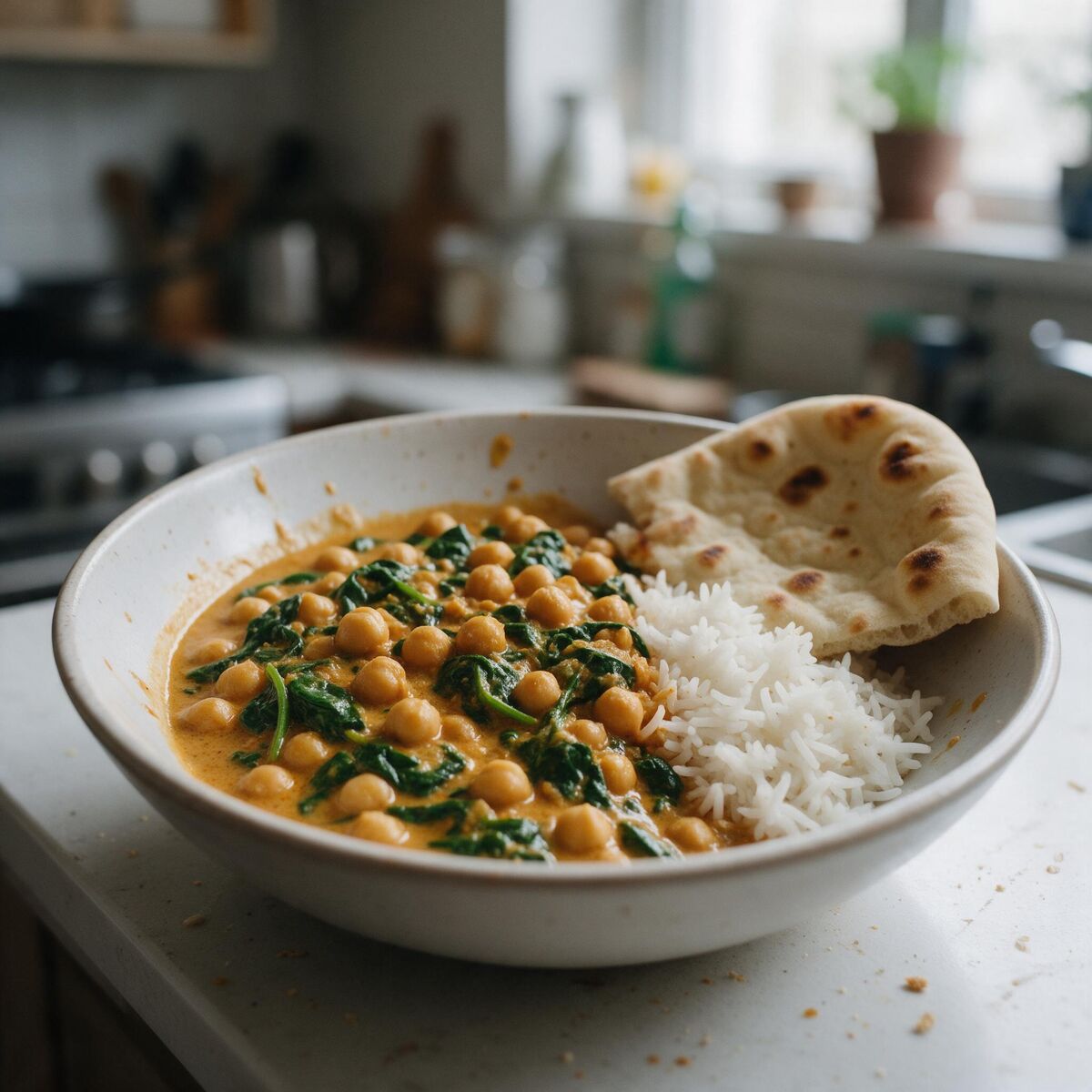
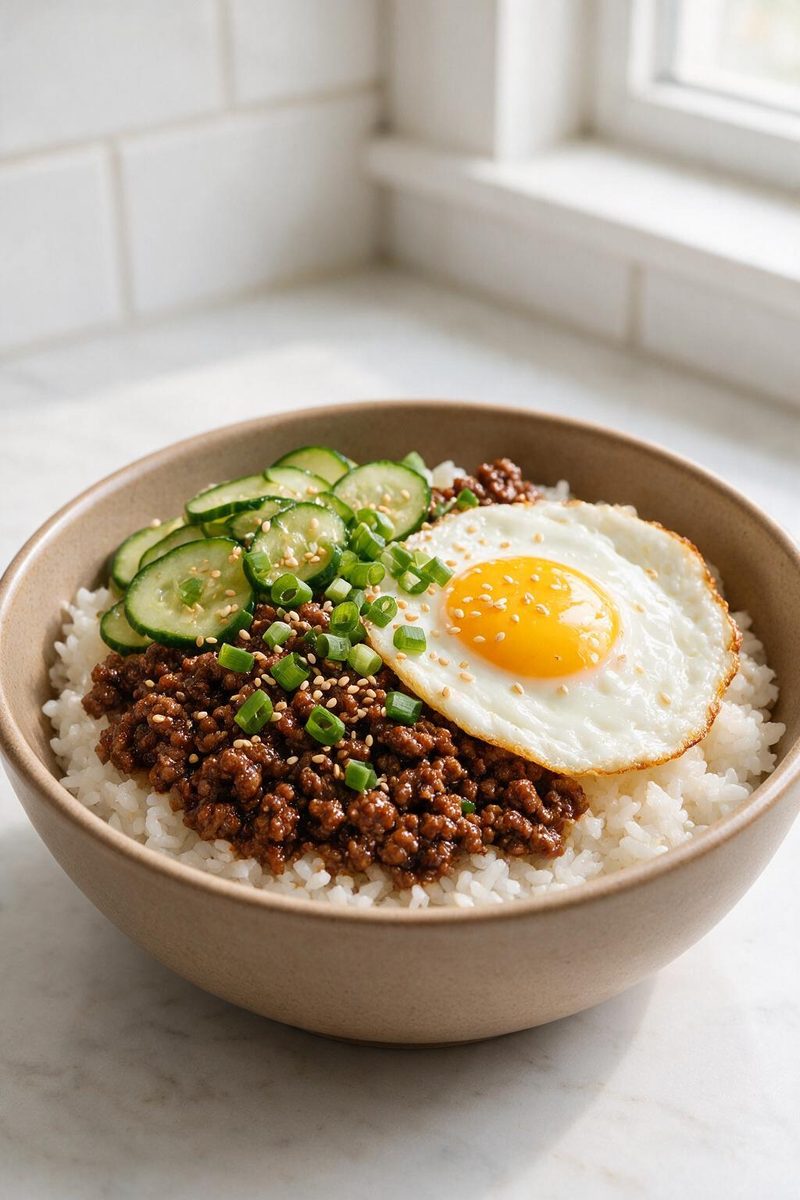
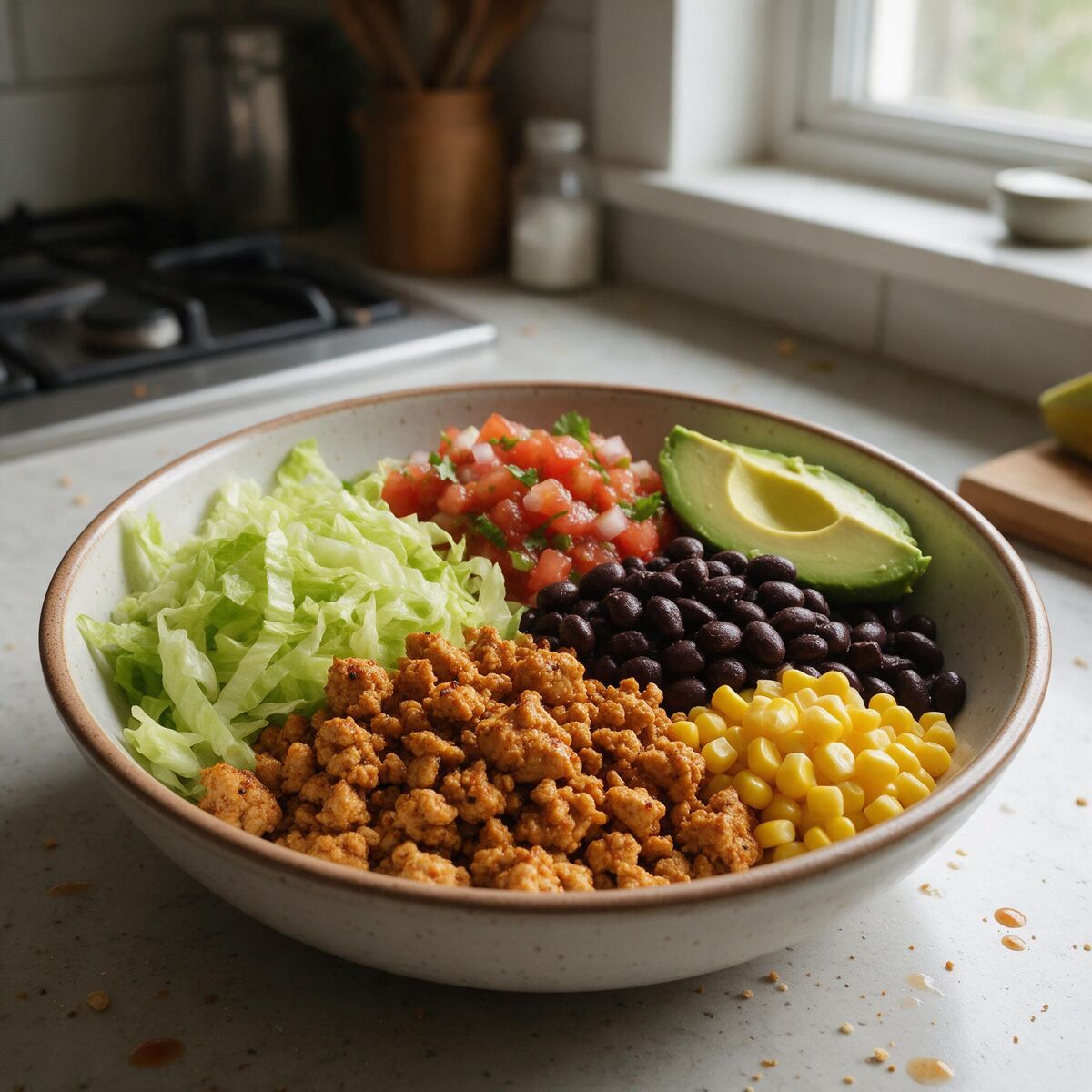
One-pan doesn’t mean one style. The collection includes Tex-Mex chicken fajitas and turkey taco bowls, takeaway-style beef and broccoli noodles, the vegan chickpea spinach curry, crispy gnocchi with sausage and kale, and Spanish-inspired chorizo rice.
Common one-pan mistakes
- Crowding the pan. Too much food lowers the temperature and causes steaming. Cook in batches if needed.
- Burning the garlic. Add it after the high-heat searing, and lower the heat first.
- Leaving cooked protein in too long. Remove seared meat or fish while you cook vegetables and sauce, then return it at the end.
- Skipping the deglaze. Those browned bits are flavor; don’t leave them stuck to the pan.
Planning a one-pan week
Because each of these dinners uses one vessel and similar techniques, it’s easy to string several together. A sensible week might pair a chicken skillet on Monday, a vegetarian curry on Tuesday, a seafood dish midweek, a beef or pork stir-fry on Thursday, and taco bowls on Friday, when everyone can build their own. Shopping overlaps too: onions, garlic, peppers, limes, and rice appear across several recipes, so little goes to waste.
Cleaning up quickly
Deglazing actually helps with cleanup, as it loosens much of what would otherwise stick. While the pan is still warm, add hot water and a drop of soap and let it soak while you eat. Cast iron needs only hot water and a brush, followed by drying and a thin coat of oil.
For dinners where the stove is barely used at all, see the 15-minute dinner recipes. For meat-free one-pan ideas, browse the easy vegetarian dinner recipes.