Pasta is the original fast dinner. A pot of water comes to a boil, the noodles cook in eight to ten minutes, and a sauce can be built in the time it takes. The recipes in this collection are designed so the sauce finishes at almost the exact moment the pasta does, keeping the total time at 20 minutes or less and the washing up to a minimum.
Three ways to sauce pasta fast
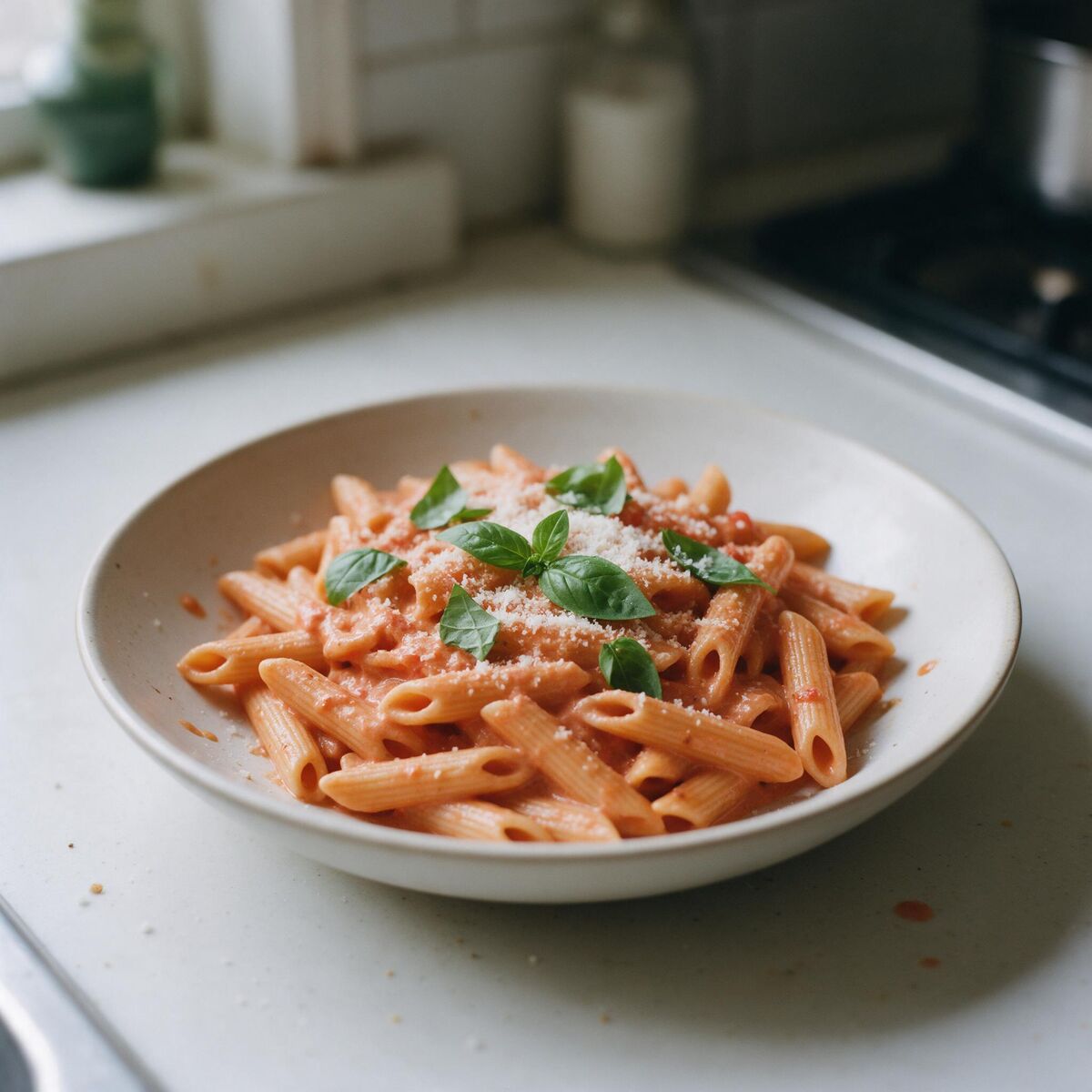
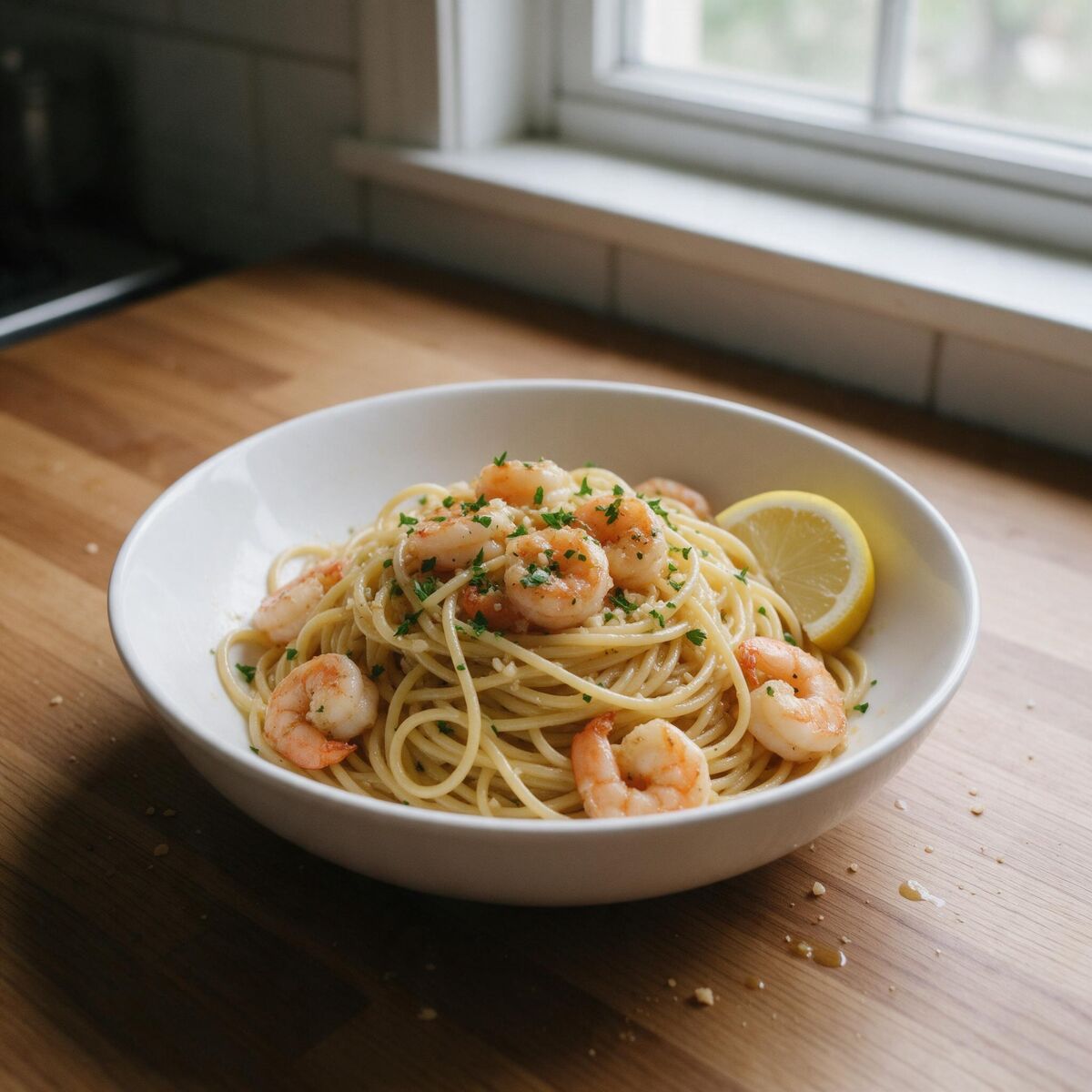
A quick pan sauce. While the pasta boils, a skillet handles the sauce. The creamy tomato pasta simmers passata with garlic and oregano, then melts in cream cheese for a silky, blush-colored sauce. The garlic butter shrimp pasta sears shrimp and then builds a lemony garlic butter in the same pan.
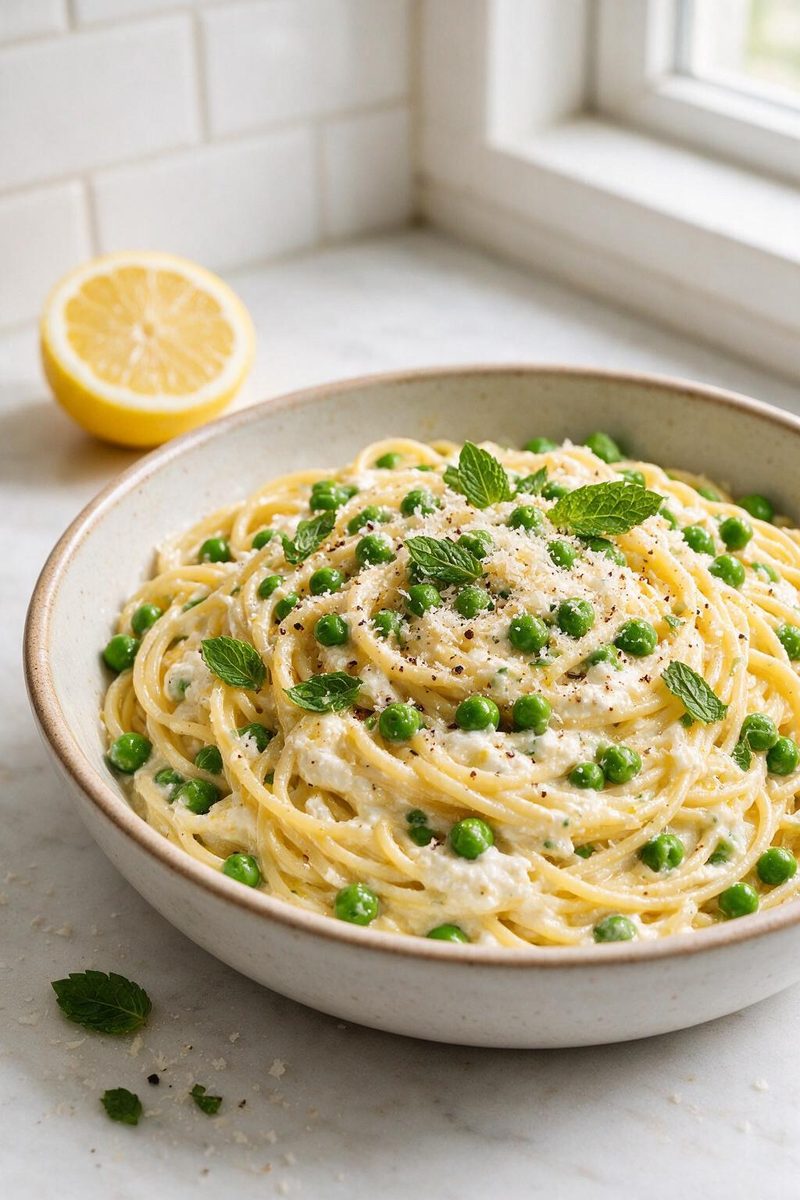
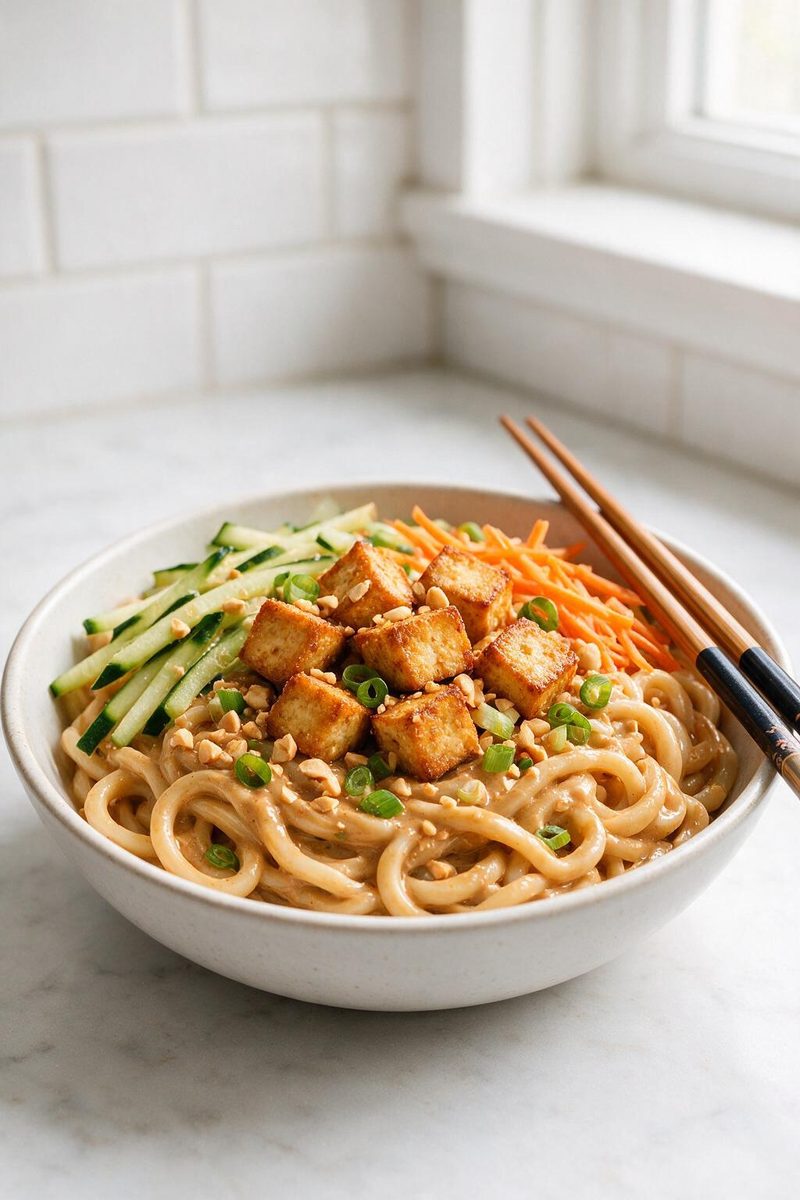
A no-cook sauce. Some sauces don’t need heat at all. The lemon ricotta pasta with peas mixes ricotta, parmesan, and lemon in the serving bowl; the heat of the drained pasta and a splash of cooking water does the rest. The peanut noodles with crispy tofu use a whisked peanut-lime sauce that is equally good warm or cold.
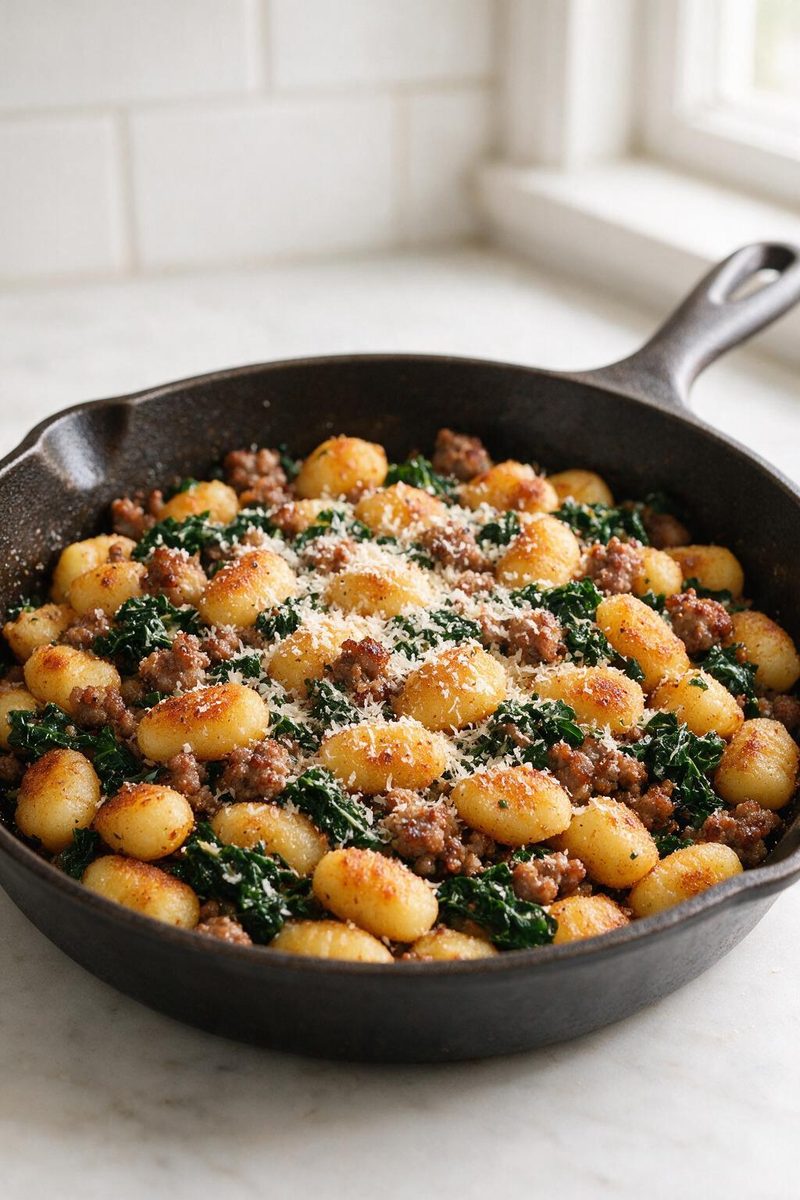
Skip the boiling. Shelf-stable gnocchi can go straight into a hot skillet. In the crispy gnocchi with sausage and kale, the dumplings brown in oil until crisp outside and soft inside, then join browned sausage and greens in one pan.
Picking the right shape
Long, thin shapes such as spaghetti, spaghettini, and linguine suit buttery or oil-based sauces that coat each strand. Short shapes with ridges or tubes, such as penne, rigatoni, and fusilli, trap thicker, creamier sauces. Quick-cook versions of standard shapes shave a few minutes off the timing. When a recipe calls for one shape, any similar shape works; adjust the boiling time to the packet.
The pasta-water habit
Starchy cooking water is the most useful free ingredient in a pasta dinner. Before draining, scoop out half a cup. A few tablespoons whisked into a sauce help fat and liquid emulsify into something glossy that clings to the noodles instead of pooling at the bottom of the bowl. It also loosens sauces that have thickened while waiting. Salt the water well, until it tastes pleasantly seasoned, because the pasta can’t be seasoned after it’s cooked.
Pantry staples for pasta nights
A cupboard with a few dried pasta shapes, a jar of passata, canned tomatoes, garlic, olive oil, chili flakes, and a wedge of parmesan can produce dinner almost any night. Add frozen peas and frozen shrimp to the freezer, and keep ricotta, cream cheese, or a pack of gnocchi in the fridge, and the options multiply.
Gluten-free and dairy-free options
Every recipe here works with gluten-free pasta; cook it a minute less than the packet suggests because it continues to soften in the sauce. Rice noodles suit the peanut noodles. For dairy-free versions, swap butter for olive oil, use a plant-based cream cheese or blended cashews, and replace parmesan with nutritional yeast. The individual recipe pages list specific substitutions.
Matching the sauce to the night
On a night when everyone is hungry and impatient, the no-cook ricotta sauce or the creamy tomato penne are the most reliable crowd-pleasers. When you want something that feels a little special, the garlic butter shrimp pasta looks and tastes like a restaurant dish. If the fridge holds a pack of sausage and some greens, the crispy gnocchi skillet turns them into a complete meal with no boiling water at all.
Leftovers
Pasta absorbs sauce as it sits, so add a splash of water or milk when reheating and warm it gently in a pan. Cream-based sauces don’t freeze well, while the peanut noodles make an excellent next-day cold lunch.
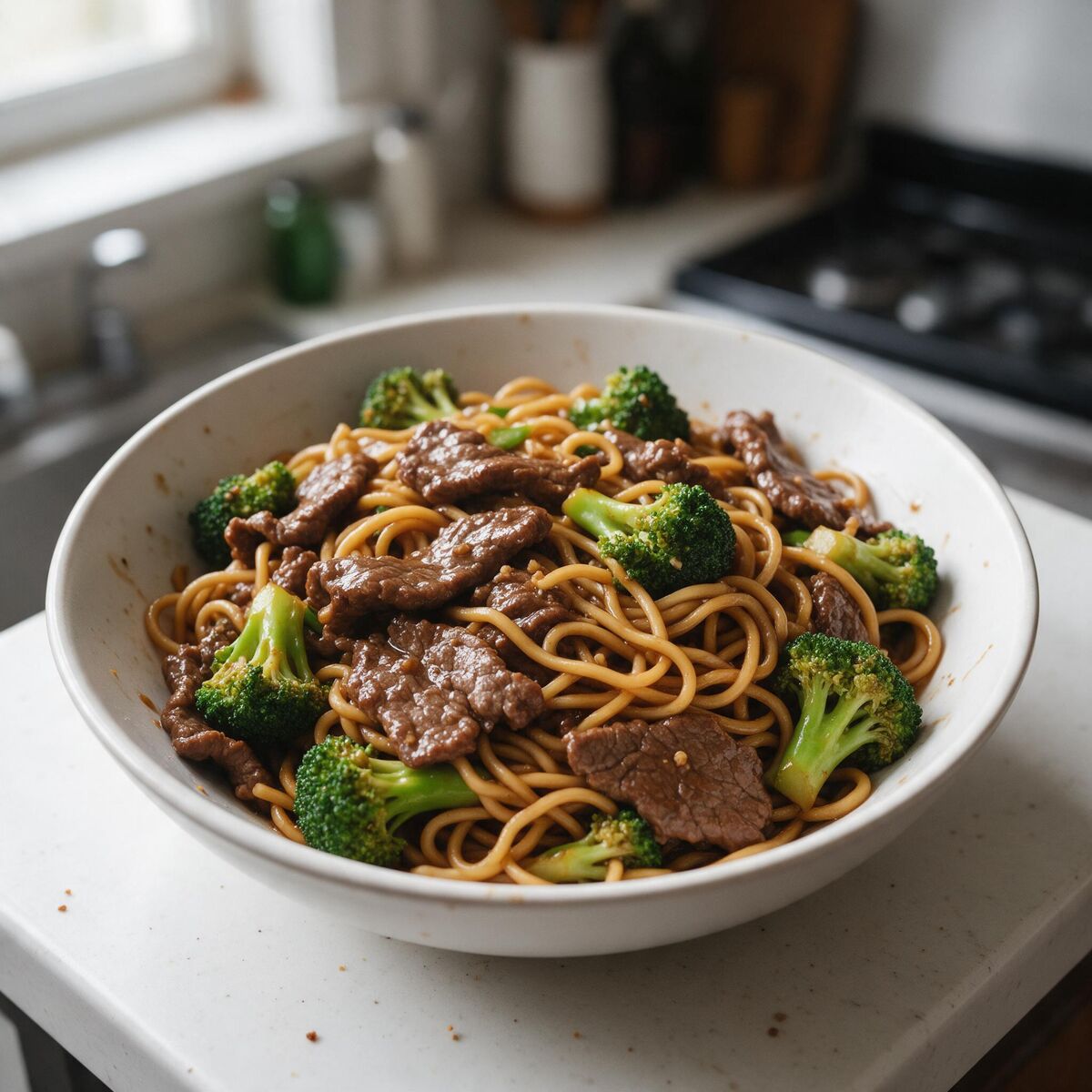
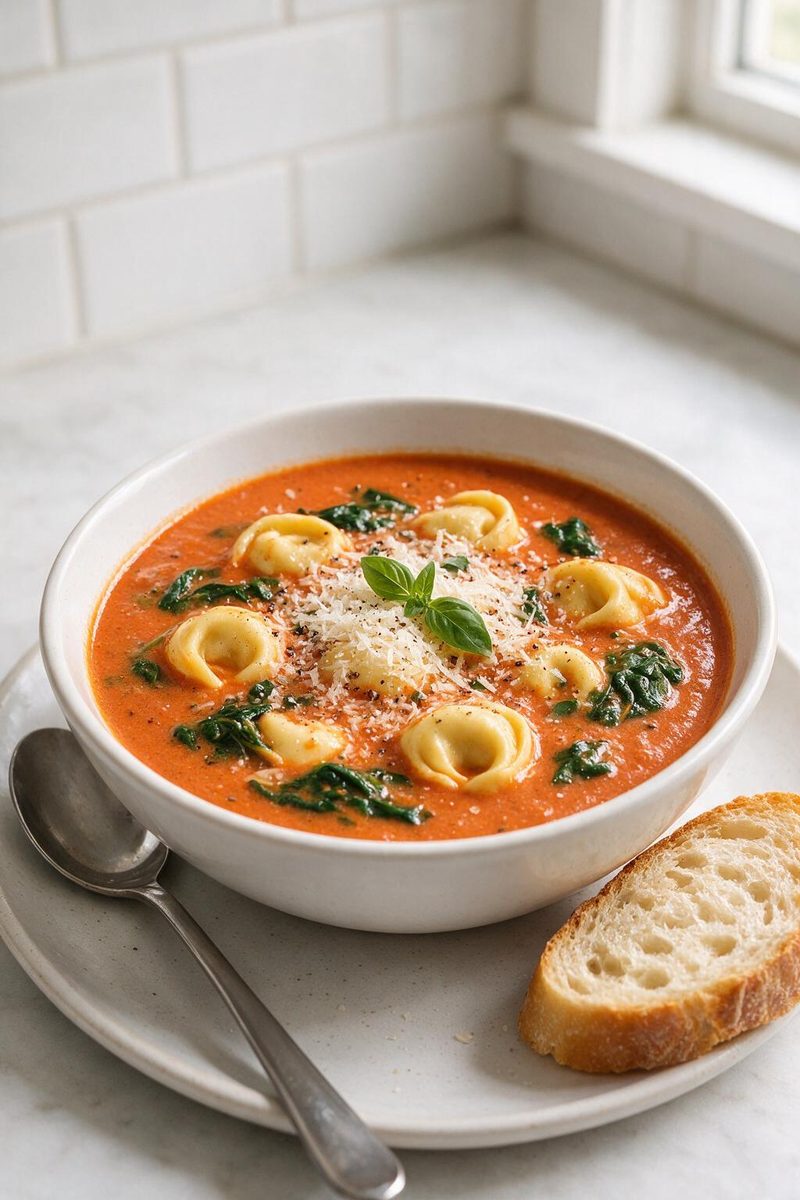
For more noodle-based dinners, see the beef and broccoli noodles or the tomato tortellini soup. Looking for meat-free ideas specifically? Browse the easy vegetarian dinner recipes.