Seafood is one of the fastest things you can cook. Shrimp turn pink in about four minutes, cubes of salmon cook through in six, and a cod fillet gently poaches in a tomato sauce in about seven. That speed is exactly why fish and shellfish deserve a regular place in a quick dinner rotation. The only real skill involved is knowing when to stop cooking, and every recipe in this collection explains the visual cues to watch for.
The recipes at a glance
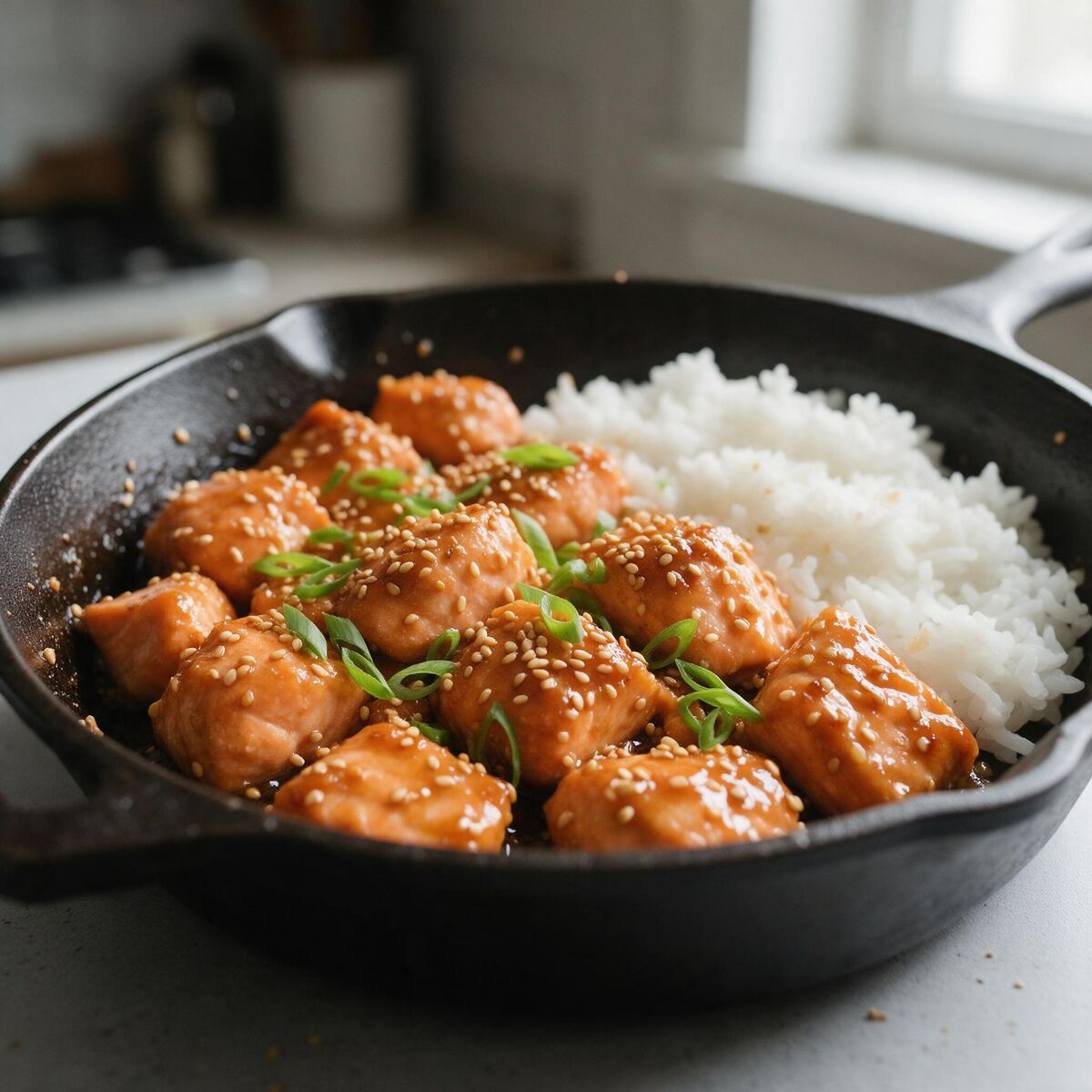
- Honey garlic salmon bites: salmon cut into one-inch cubes, seared, and tossed in a sticky honey-soy glaze. A good entry point for people who think they don’t like fish.
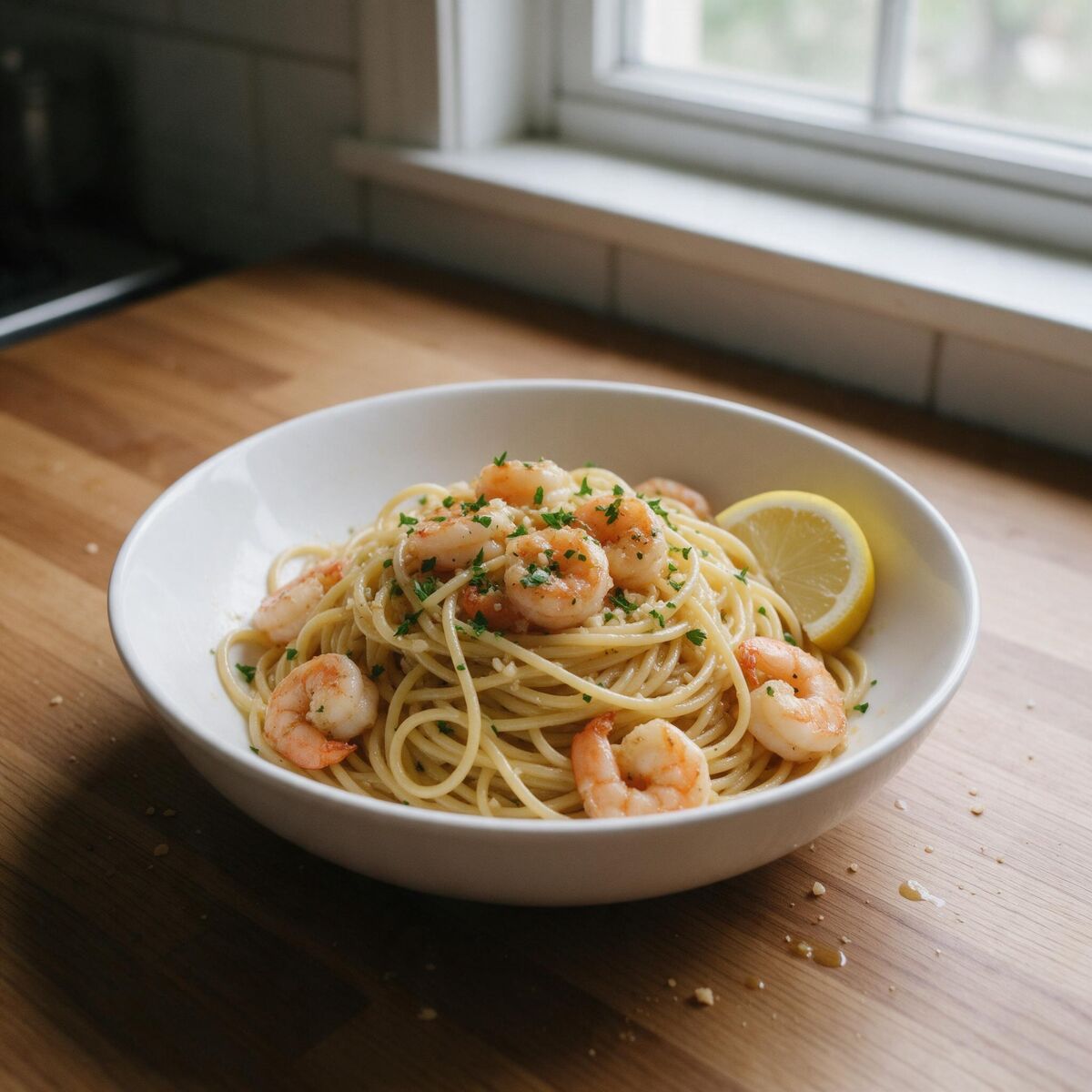
- Garlic butter shrimp pasta: seared shrimp, thin spaghetti, butter, garlic, and lemon in 17 minutes.
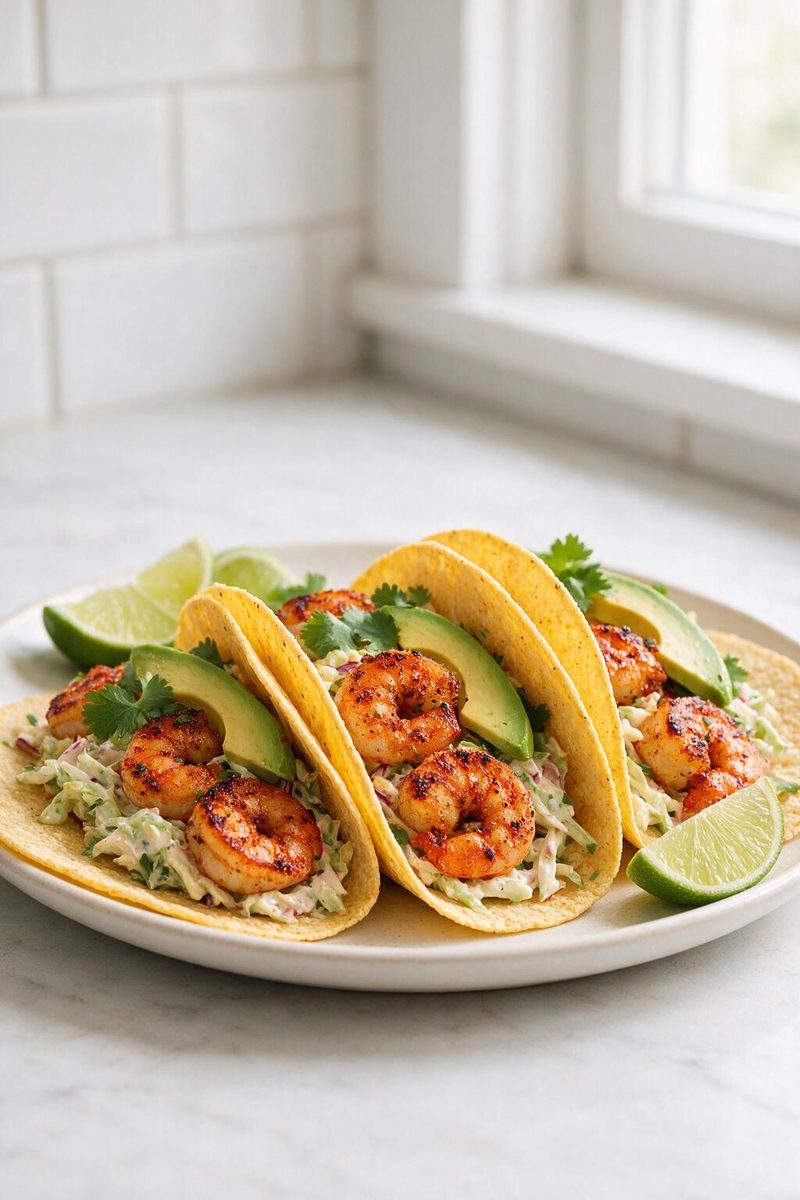
- Cajun shrimp tacos with lime slaw: smoky spiced shrimp against cool, crunchy cabbage in 14 minutes.
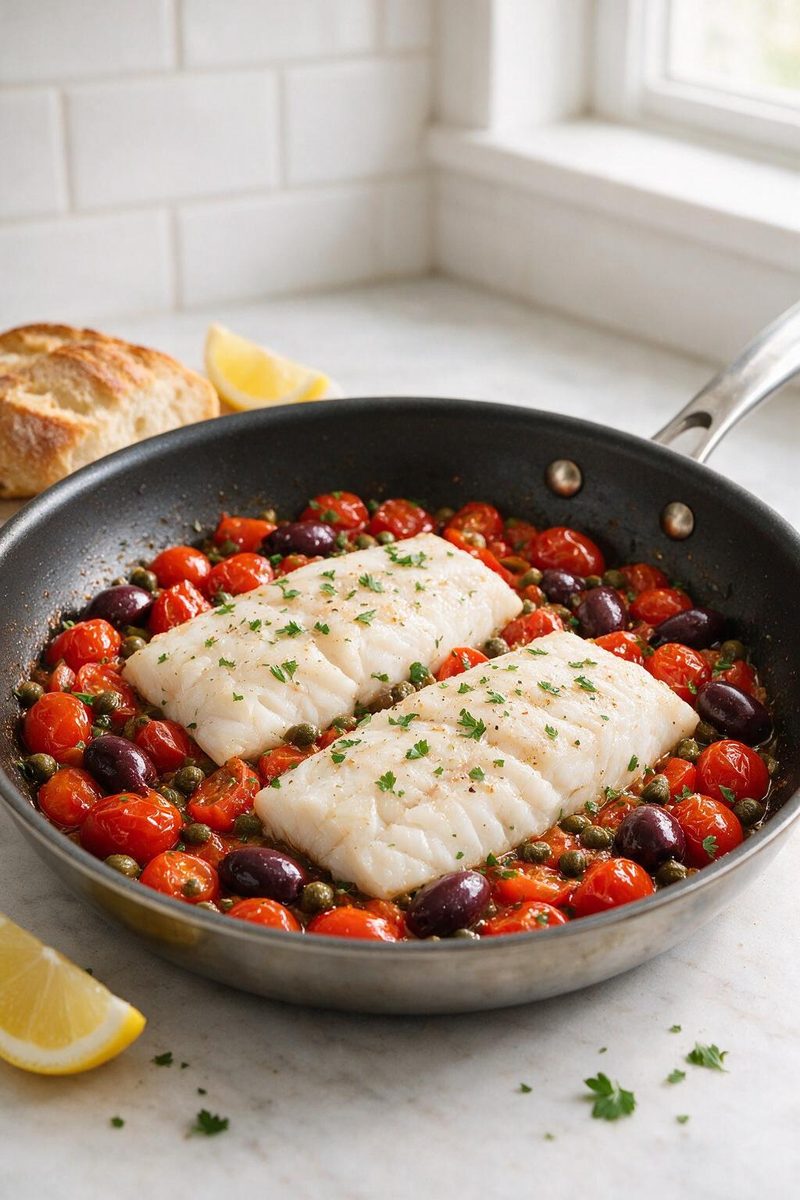
- Mediterranean cod with tomatoes and olives: flaky white fish cooked right in a sauce of burst cherry tomatoes, olives, and capers.
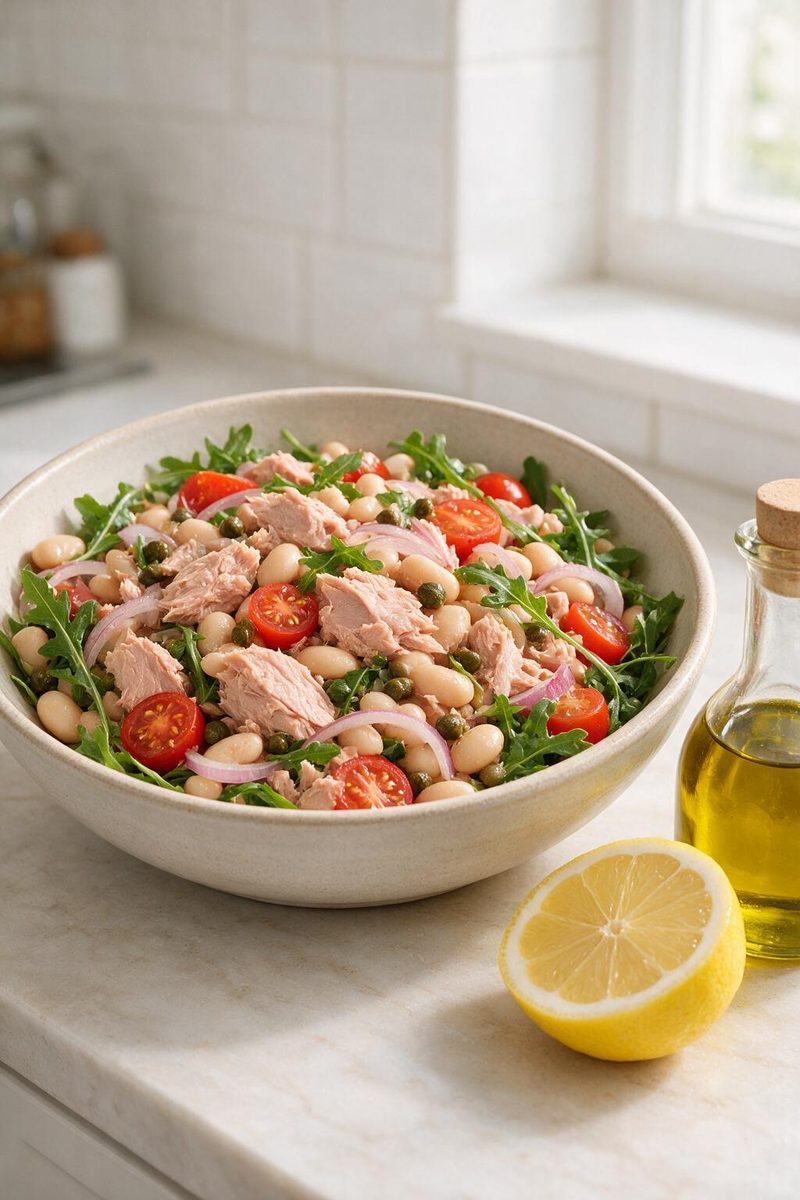
- Tuscan tuna and white bean salad: a no-cook dinner using olive-oil tuna, cannellini beans, and arugula, ready in 10 minutes.
Buying seafood for quick dinners
Frozen is often the smartest choice. Most fish and shrimp are frozen shortly after being caught, and frozen fillets and peeled, deveined shrimp are convenient to keep on hand. Thaw fish overnight in the fridge. Shrimp thaw in about ten minutes in a bowl of cold water.
Fresh fish should look moist and glossy, with a clean, mild smell of the sea rather than a strong fishy odor. Avoid fillets with dry, discolored edges.
Canned fish is a pantry hero. Good tuna packed in olive oil, canned salmon, and sardines can become dinner without any cooking at all.
Sustainability varies by species and region. Many fish counters label sustainable options, and certification labels on packaging can help when choosing.
Cooking seafood without overcooking it
- Dry it well. Pat shrimp and fish dry so they sear rather than steam.
- Watch the color change. Shrimp go from gray and translucent to pink and opaque. Fish turns from glassy to opaque white or pale pink and flakes easily with a fork.
- Look at the shape of shrimp. A loose C shape means done; a tight O means overcooked.
- Use a thermometer if unsure. Fish and shrimp are safe at 145°F (63°C).
- Take it off the heat promptly. Seafood keeps cooking from residual heat, so pull it as soon as it’s just done.
Flavor pairings that work
Seafood loves acidity and aromatics. Lemon and garlic are the classic pairing, as in the shrimp pasta. Sweet and salty glazes such as honey and soy suit rich fish like salmon. Briny ingredients such as olives and capers complement mild white fish like cod. Smoky spice blends and lime work beautifully with shrimp in tacos.
Substitutions
Most of these recipes are flexible about the fish. Trout or Arctic char can replace salmon; haddock, hake, halibut, or pollock can replace cod; and canned salmon can stand in for tuna in the salad. Firm white fish strips make great tacos in place of shrimp. Each recipe page notes the swaps that work best.
Storage and leftovers
Cooked seafood is best eaten the same day and keeps for up to two days in the fridge. Reheat gently and briefly, preferably covered over low heat, because high heat makes fish dry and shrimp rubbery. Leftover salmon and shrimp are excellent cold in salads or rice bowls.
Building a balanced plate
Fish is lean and light, so pair it with something satisfying: rice under the salmon, crusty bread with the cod, tortillas and avocado with the shrimp. A simple green vegetable or crunchy salad rounds out the plate. For grain-based ideas, browse the quick rice recipes, and for more one-skillet meals see the one-pan dinner recipes.